
Why Intensive Parenting Is Breaking Parents (and Hurting Kids)
There must be another way

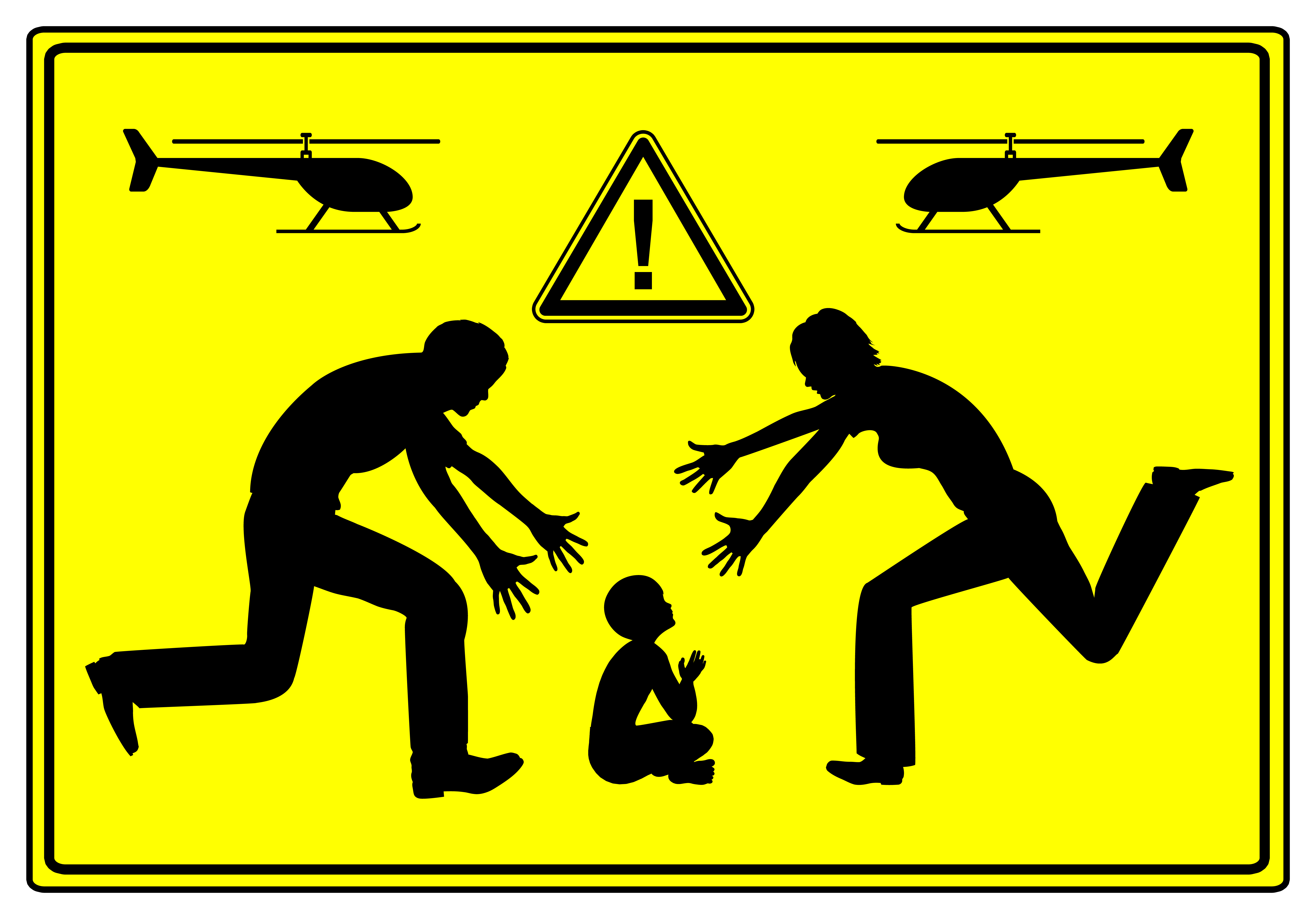
In August last year, U.S. Surgeon General Dr. Vivek Murthy issued an Advisory on the Mental Health and Well-Being of Parents, warning about the pernicious effects of caregiver stress. As a psychologist and a university professor, I have observed how intensive parenting – also known popularly as helicopter or snowplow parenting – has overstretched even the most resilient or resource-rich caregivers. I believe that parents will not be all right until a more sustainable parenting approach becomes commonplace.
A confluence of factors led to the onset of intensive parenting in the late 1980s and early ’90s: A 24-hour news cycle spreading panic about child abductions, violence and sex crimes (all of which have actually decreased since the late ’80s); a loss of community related to neoliberalism’s focus on individual responsibility, geographic mobility and suburban sprawl; increased income inequality; competition for the best colleges amid a winner-take-all zeitgeist; and a counter-reaction to the laissez-faire parenting that Boomers and Gen X-ers grew up with.
The intensive parenting model assumes that all kids are vulnerable and that an ever-increasing amount of time, energy, and money is needed to ensure their prosperous development and wellbeing. Caregivers, and especially mothers, are expected to be child-centered at all times, leveraging expert advice and all available resources to cultivate children’s talents and futures. Although this ideology started among middle- and upper-class parents, it has since spread more broadly, disproportionally burdening families that have fewer resources.
Kids are not okay
However, overprotective parenting and the concomitant decline in unstructured, unsupervised time that provides opportunities to build independence, resilience, and social skills, has not helped kids. On the contrary, it has led to the most helpless, anxious, depressed, and lonely young generation in history. Moreover, it has left caregivers – especially mothers – worried, anxious, burned out, exhausted, and still feeling guilty. And the strain of parenting can become even more crushing when marriages are struggling, or families are dealing with financial hardship, kids with special needs, single parenting, or discrimination. As one my patients said, “I give my whole self every minute of the day. My children’s wants trump my needs every time, and I still feel like I’m failing.”
So why has intensive parenting persisted though four decades – in spite of its negative consequences for children and parents? And how can we begin to change it?
For many years, parents were convinced that only good could come from total dedication to their offspring. “How could anyone hurt from too much attention and care?” was a refrain I often heard from tapped-out caregivers. They also needed to believe that all their sacrifices were worth it. This approach was reinforced each time their child excelled in school, won a competition, or got into a great school. The rise in political and economic insecurity only exacerbated the problem, with parents feeling pressure to “make” their kids as competitive as possible in this global, quickly changing marketplace.
And nobody wants to be the first to let go of the fear that their children will end up disadvantaged or that they will be judged as bad parents. Since mothering has assumed an almost sacred quality, in which going against the prevailing cultural script has been equated with moral failing, the judgement is real. Allowing your six-year-old to walk to a neighbor’s house, or your 12-year-old to take public transportation, and you risk being shamed as a neglectful mother or even reported to child protective services.
Change is possible
With a wider recognition in recent years of the pitfalls of intensive parenting, there are signs of change. Books extolling the virtues of French balanced rather than child-centered parenting, or the Scandinavian anti-coddling approach, have become bestsellers. States are passing “reasonable childhood independence laws” that protect parents from being investigated by authorities for giving their kids more independence.
But this is just a beginning. I often invite parents in my practice to consider that humans are the product of genes and environment, with parenting being just one aspect of development. We investigate how subjugating all their needs and desires in the name of being “perfect parents” backfires. I encourage them to remember who they were before they had kids, what made them tick, and what brought them together as couples. Rekindling some of that could revive a sense of self that goes beyond their identity as parents.
Caregivers might schedule a regular date night with their partner, bucking statistics showing that more than half of American spouses with children never go on dates, even though that type of connecting is crucial to marriage happiness and longevity. And when we rely on trusted others to take care of our children – if the kids are not old enough to stay by themselves – we invest in building a mutually supported community that is one of the best antidotes to parent burnout.
“But how do I deal with the guilt of not always being there for my kids?” I’m frequently asked. My response: By knowing that healthy parents are needed for healthy and successful kids.
Question
If you’re a parent, I’d love to hear how you’ve navigated today’s intensive parenting culture. Have you found small ways to step back, give your children more independence, or reclaim parts of yourself? What worked - and what didn’t (maybe even backfired)?